
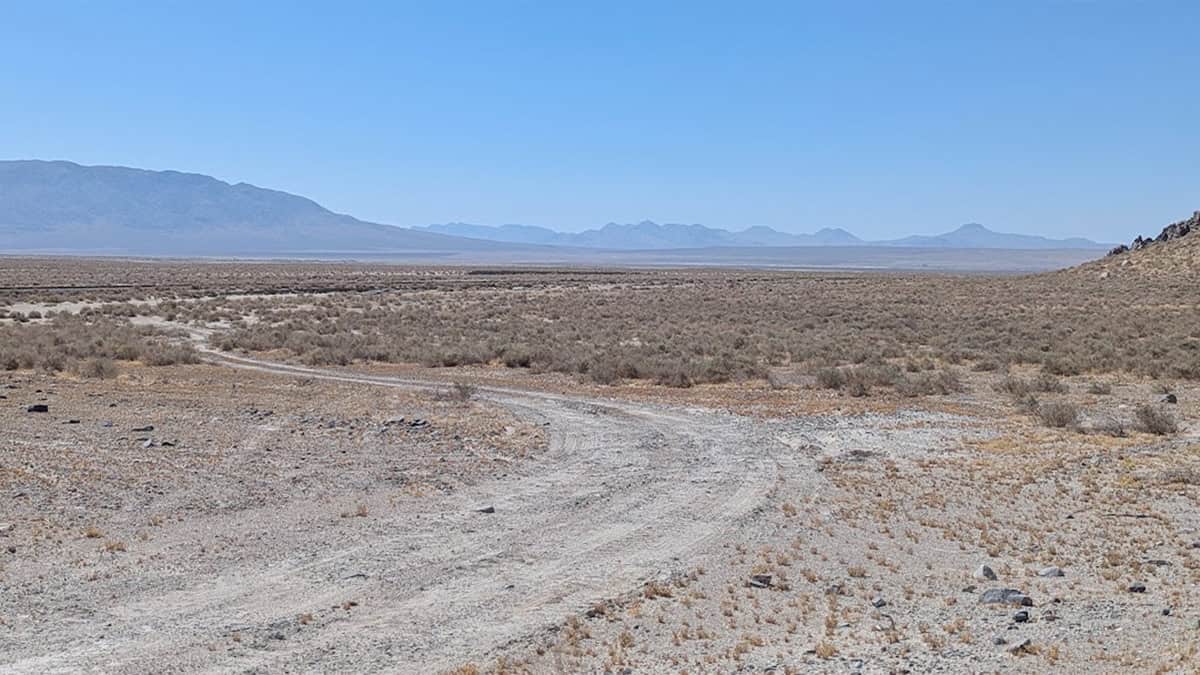
Modern conveniences can give us a false sense of security, making it seem reasonable to travel through or in the Mojave Desert even when temperatures are extremely high.
After all, we have cell phones and air conditioning — what could go wrong?
The death of a French tourist in Death Valley on Aug. 17 is a stark reminder that heading off on a remote desert road is risky business. That doesn’t mean you shouldn’t explore the desert, but planning ahead and remembering some simple guidelines might save your life.
What happened?
According to an Aug. 21 news release from the National Park Service, on Aug. 17 a 68-year-old visitor from France died after he and a traveling companion became stranded on a remote road.
“Pierre Michel Formosa, 68, and his travel companion, both from France, were traveling on West Side Road when their vehicle became stuck in mud near Queen of Sheba Mine Road,” the NPS said. “With no other vehicles in the area, the men began walking across the salt flats toward Badwater Road to seek assistance. Temperatures reached 116°F that day. After about 1.3 miles, the man was unable to continue. His companion continued toward Badwater Road, where he eventually received assistance from a passing motorist and reported the incident at the Furnace Creek Visitor Center shortly after 2 p.m.”
Search and rescue operations involved NPS rangers, the Inyo County Sheriff’s Department and the California High Patrol and the stranded man’s body was found later that afternoon, approximately 1.5 miles from Badwater Road.
Safety guidelines
The NPS offered safety guidelines for Death Valley visitors that are also good for travel anywhere in the desert. And to answer that question — should you leave your car if it breaks down or you’re stuck somewhere in the desert — probably not.
“If your vehicle becomes disabled, staying with it is often the safest choice,” the NPS said in the news release. “It provides shade and shelter, and it’s far easier for search teams to spot than a person on foot in open terrain.”
Here are the rest of the safety guidelines:
• Plan your route in advance and check current road and weather conditions.
• Tell someone your plans — where you’re going and when you expect to return.
• Carry ample water and supplies. The park recommends at least one gallon of water per person, per day, plus extra for vehicle emergencies.
• Match your vehicle to the road. Many backcountry roads require high-clearance or four-wheel-drive vehicles, and conditions can change without warning.
• Bring a way to call for help where cell service may not reach, such as a satellite communicator or emergency beacon.
• During periods of extreme heat, visitors are encouraged to stay on paved roads and avoid hiking at lower elevations.
The NPS also offers more desert driving safety tips on its Mojave National Preserve website, including a reminder that GPS systems are not always accurate or may not work and that it’s a good idea to have an old-fashioned paper map when you travel through the desert.desertdrivingsafety.htm
MojaveBeat offers links to more information of value to desert travelers on our Desert Conditions and Weather in the Mojave pages.