
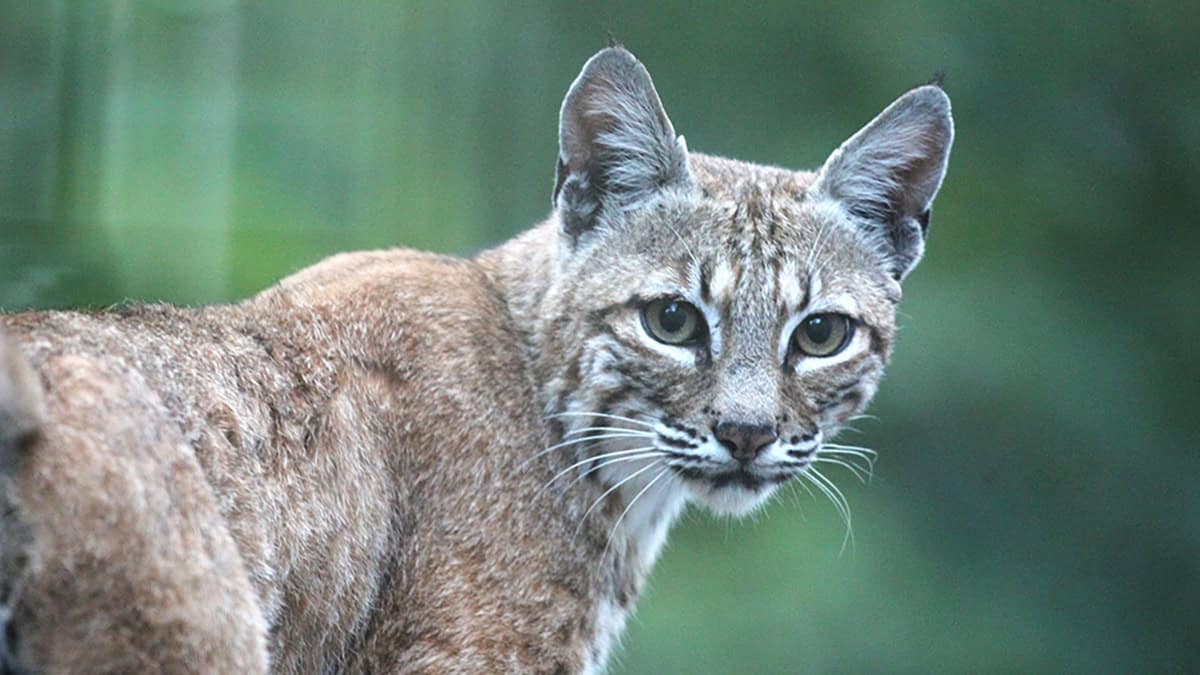
SACRAMENTO — The California Department of Fish and Wildlife is accepting public comments through Sunday, Nov. 1, on the state’s first bobcat conservation and management plan, a draft that includes an estimate of about 8,000 bobcats in the Mojave Desert.
Comments can be emailed to wildlifemgt@wildlife.ca.gov with “California Bobcat Conservation and Management Plan” in the subject line. They can also be mailed to the California Department of Fish and Wildlife, Wildlife Branch, Attn: Rachel Roberts, P.O. Box 944209, Sacramento 94244-2090.
The draft was developed over five years alongside a population monitoring report released in August. Both stem from Assembly Bill 1254, a 2020 law that made it illegal to hunt, trap or otherwise take a bobcat except in limited circumstances, such as under a depredation permit. The law requires a management plan before hunting can be considered again.
Only the California Fish and Game Commission can reinstate a hunting season. The draft plan does not propose one. It says that if the commission moves ahead, the department could use the state’s 19 ecoregions as the basis for management zones and set quotas from estimates of how many bobcats can die from human causes without the population declining. The Mojave Desert is its own ecoregion in that framework. The department has regulated bobcat take since 1971, but this is its first plan.
Statewide, the department estimates more than 62,000 bobcats, a number similar to its 1977 and 1981 estimates, though those lacked the statistical rigor of the current work. The plan says long-term population trends remain uncertain. Vehicle strikes and mange are leading causes of death among the deaths most easily detected.
For the Mojave Desert ecoregion, the report estimates 7,971 bobcats, with a range of 5,420 to 11,777. That is about 12 bobcats per 100 square kilometers, or 39 square miles, compared with about 29 on the Southern California coast. The Mojave covers roughly 16% of the land area the report maps and holds about one in eight of the state’s bobcats. Researchers sampled at Fort Irwin, Joshua Tree National Park and Mojave National Preserve between late 2021 and mid-2022.
Water and drought matter in the desert. The report found lower bobcat densities in areas with more drought over the previous five years. The draft plan describes a Mojave bobcat collared in January 2022 that left a home range without year-round water and was found in August, dehydrated and emaciated. It says land and wildlife managers should consider tools such as guzzlers, artificial water catchments, in areas such as the Mojave where drought is expected to worsen.
The plan also tallies depredation reports, which cover property damage such as attacks on poultry, from 2017 through 2024. Kern County had 44 reports and 27 permits issued, with seven bobcats reported taken. San Bernardino County had 53 reports, 12 permits and three bobcats taken. The plan notes relatively few reports from the deserts, which may reflect sparse population or limited awareness of reporting.
Joshua Tree has its own history in bobcat protection. A 2014 state law closed an area around Joshua Tree National Park to bobcat trapping, and the commission banned commercial bobcat trapping statewide in 2015. A 2019 law later prohibited recreational and commercial trapping of furbearing mammals.
The draft plan and the population report are posted on the department’s website. https://nrm.dfg.ca.gov/FileHandler.ashx?DocumentID=247441&inline
Source: CDFW news release dated Oct. 1, 2026